What Silver Coins are Worth the Most?
02/09/2026Daniel Fisher

Accumulate gold coins on a regular basis for home delivery or storage.
Let our experts hand-pick a gold investment portfolio for you.
Free & fully insured UK Delivery. Learn more

Secure & flexible payments. Learn more

Buyback Guarantee Learn more

A cost-effective way to buy silver bullion with off-shore storage
Let our experts hand-pick a silver investment portfolio for you.
Free & fully insured UK Delivery. Learn more
Secure & flexible payments. Learn more
Buyback Guarantee Learn more
Free & fully insured UK Delivery. Learn more
Secure & flexible payments. Learn more
Buyback Guarantee Learn more


Accumulate gold coins on a regular basis for home delivery or storage.
Let our experts hand-pick a gold investment portfolio for you.
A cost-effective way to buy silver bullion with off-shore storage
Let our experts hand-pick a silver investment portfolio for you.
Free & fully insured UK Delivery. Learn more
Secure & flexible payments. Learn more
Buyback Guarantee Learn more
Free & fully insured UK Delivery. Learn more
Secure & flexible payments. Learn more
Buyback Guarantee Learn more
Some silver coins are worth little more than the value of the precious metal they contain. Others can be worth thousands – or even millions – because collectors are prepared to pay substantial premiums for their rarity, condition and history.
So, what makes one silver coin considerably more valuable than another?
The world’s most valuable silver coins tend to combine several characteristics: extremely low surviving numbers, historic importance, unusual minting errors and exceptional condition.
For investors, however, rarity isn’t necessarily the priority. Modern silver bullion coins are generally purchased for their silver content, liquidity and potential exposure to movements in the silver price.
Understanding the difference between bullion value and collectable value is therefore essential when considering what a silver coin is actually worth.
A silver coin can have two very different sources of value.
The first is its intrinsic value – the value of the silver contained within the coin.
The second is its numismatic value – the additional amount a collector may be willing to pay because of the coin’s rarity, condition, age, provenance or historic significance.
For a standard bullion coin, the silver price will usually account for most of its value.
For an exceptionally rare historic coin, the silver content can represent only a tiny fraction of its market value.
The main factors that can make a silver coin particularly valuable include:
This explains why two coins containing similar quantities of silver can have dramatically different market values.
Some of the best-known valuable silver coins originate from the United States, where early dollar and half-dollar issues have developed a particularly strong international collector market.
Examples include:
The precise value of any rare coin can vary enormously according to its condition, grade, provenance and the strength of collector demand at the time it is sold.
Free ultimate guide for keen precious metals investors
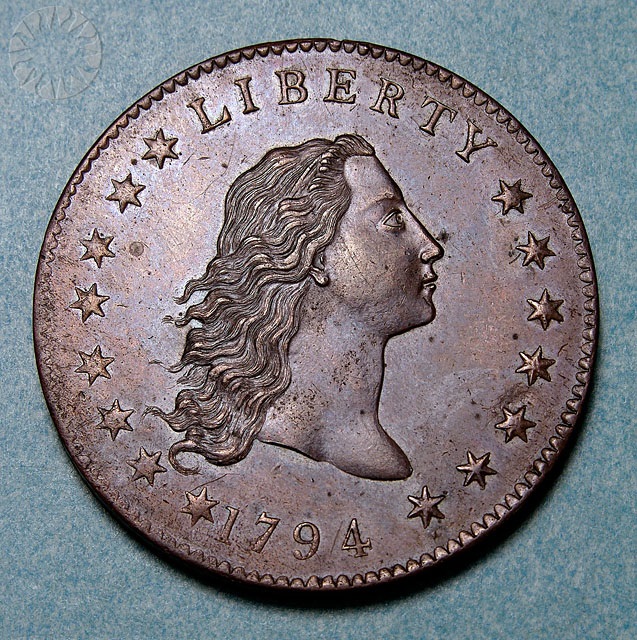
The 1794 Flowing Hair Dollar is one of the most famous coins in American numismatic history.
It was among the first silver dollars produced by the newly established United States Mint and has consequently acquired enormous historical significance.
The coin depicts Liberty with flowing hair on the obverse and an eagle surrounded by a wreath on the reverse.
Its combination of age, rarity and its place at the beginning of US dollar coinage has resulted in exceptional examples selling for millions of dollars.
Its value illustrates an important principle when assessing rare silver coins: the value of the silver itself is almost irrelevant compared with the premium collectors place on rarity, history, condition and provenance.
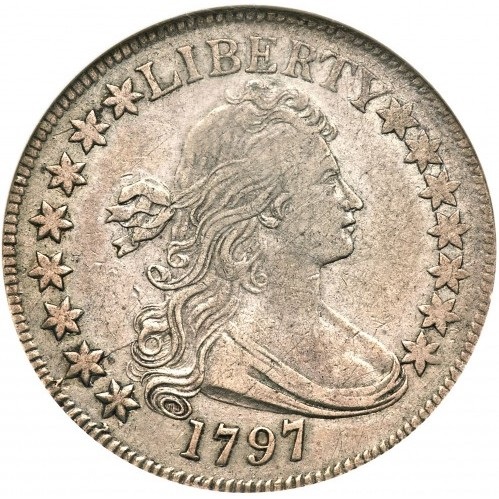
The Draped Bust Half Dollar is another highly collectable early American silver coin.
The Small Eagle version was produced in very limited numbers during 1796 and 1797. Only a few thousand coins were originally struck across the two years, making surviving examples highly sought after.
As with other rare historic coins, condition has an enormous influence on value. Well-preserved examples can command dramatically higher prices than heavily circulated coins from the same year.
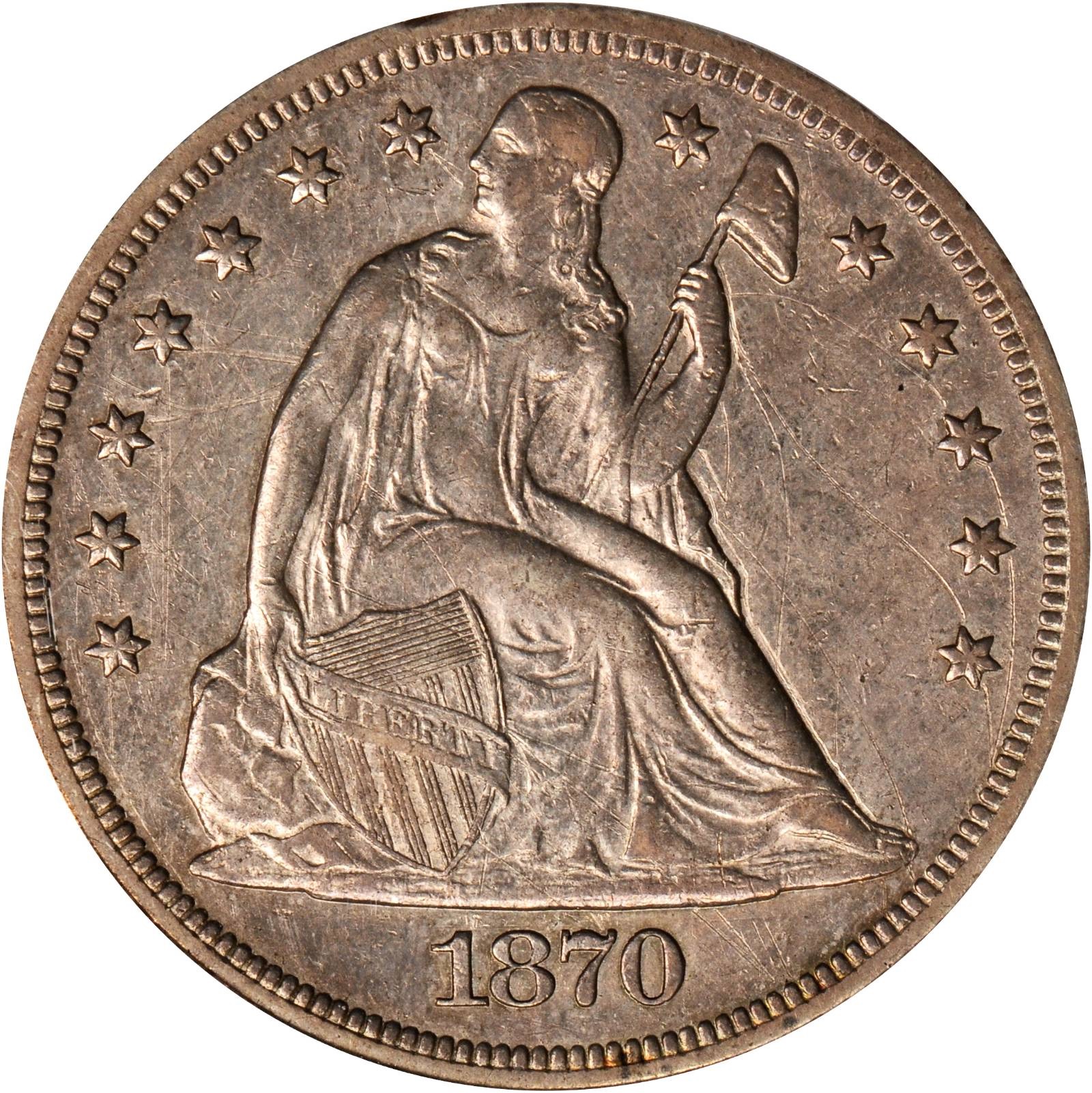
The 1870-S Seated Liberty Dollar is one of the great rarities of American silver coinage.
The ‘S’ denotes production at the San Francisco Mint. Only a very small number of examples are known to survive, making the coin particularly desirable among advanced collectors.
The Seated Liberty design appeared on US silver dollars during the nineteenth century, but rarity varies considerably between individual years and mints.
This demonstrates why identifying a coin by its design alone isn’t enough – the date and mint mark can completely transform its value.
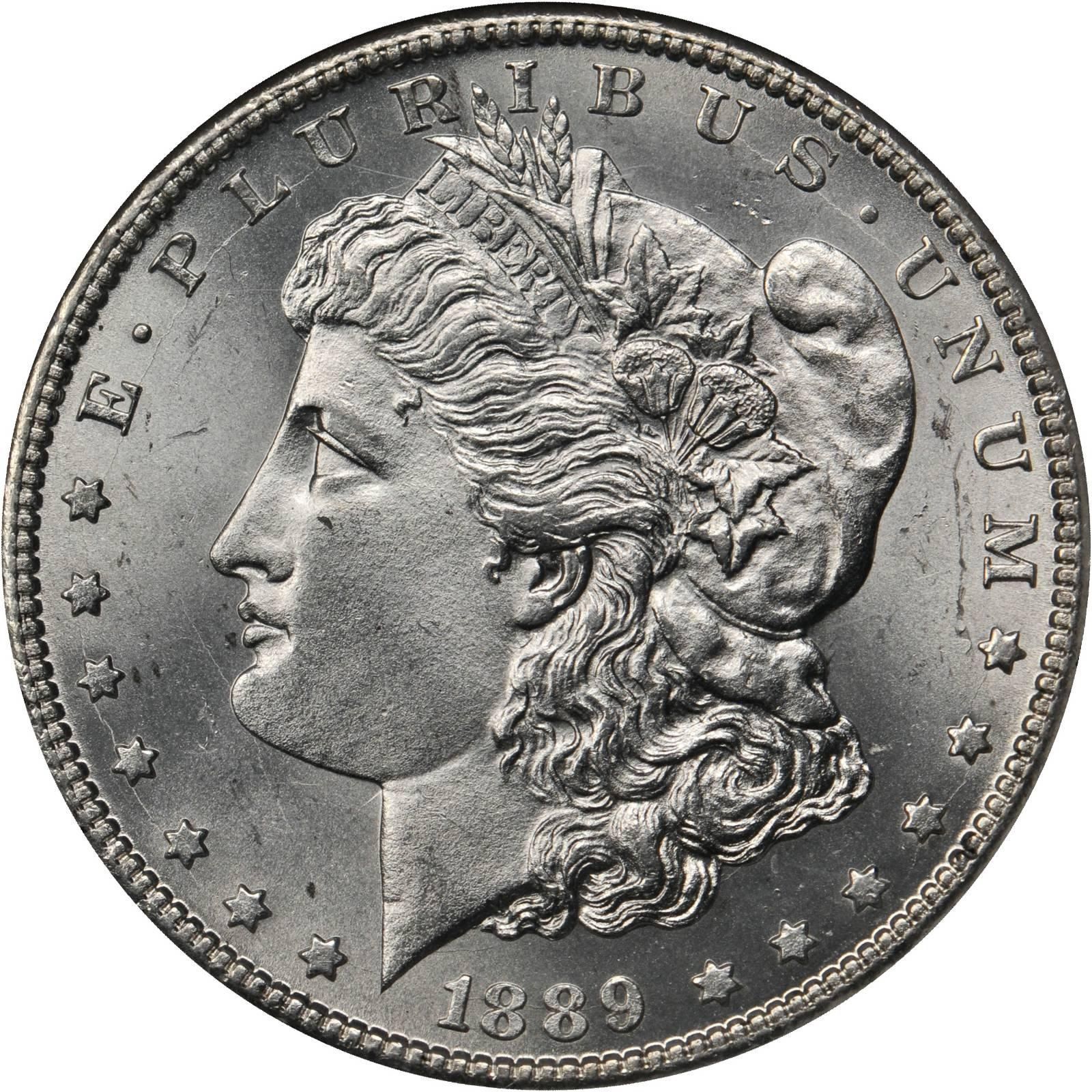
Morgan Dollars are among the world’s best-known collectable silver coins.
Produced from 1878 to 1904 and again in 1921, they were named after their designer, George T. Morgan.
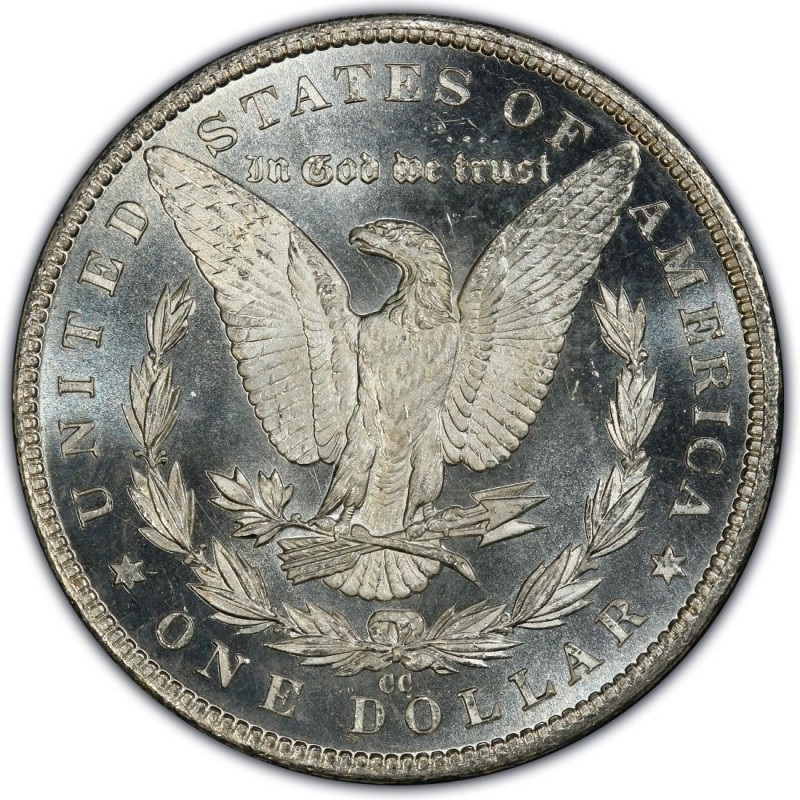
The 1889-CC is particularly desirable because it was struck at the Carson City Mint and had a much lower mintage than many other Morgan Dollar issues.
The ‘CC’ mint mark is an important detail for collectors. Morgan Dollars from different mints and years can vary enormously in value even though their basic design and silver content are very similar.
The 1893-S Morgan Dollar is another key rarity within the series.
Only 100,000 were originally struck at the San Francisco Mint – an exceptionally low figure for a Morgan Dollar.
Many were subsequently lost, melted or heavily circulated, leaving high-grade surviving examples particularly scarce.
As a result, the 1893-S demonstrates the combined effect of low original mintage and condition rarity. Even within an already collectable coin series, individual dates can command substantial premiums.
Minting errors and unusual varieties can also create significant collector value.
The 1817/4 Capped Bust Half Dollar is a famous example. The date was created using a die that retained evidence of an earlier ‘4’ beneath the final ‘7’, creating what collectors call an overdate.
Only a small number of examples are known, making it highly desirable to specialists in early American coinage.
The underlying silver content contributes very little to the price of such a coin – its scarcity and unusual production history are far more important.
The 1838-O Capped Bust Half Dollar was produced at the New Orleans Mint and is another notable rarity.
Its significance comes partly from the extremely limited number produced and its association with the early operation of the New Orleans Mint.
Surviving examples are consequently sought after by collectors of early American silver coins.
Not every Morgan Dollar is exceptionally valuable.
Millions were produced and common-date examples remain relatively accessible to collectors. However, particular combinations of year, mint and condition can be worth considerably more.
Collectors typically look at:
Coins produced at the Carson City Mint are particularly popular, while key dates such as the 1893-S can command significant premiums.
This is why it is important not to assume that every old silver coin is valuable simply because of its age.
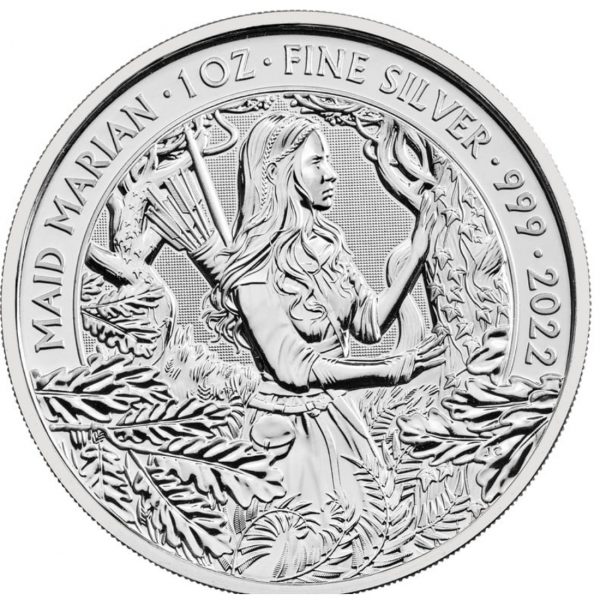
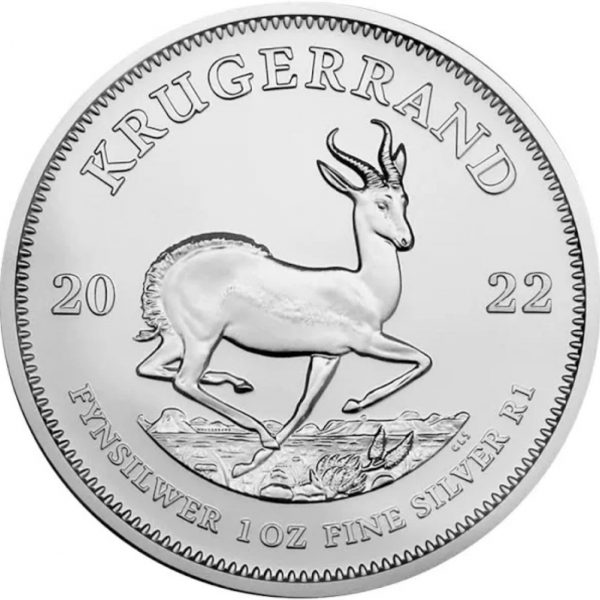
Valuable silver coins aren’t limited to the United States.
Britain has a long history of silver coinage, and some historic British coins can have significant numismatic value.
Older crowns, shillings, florins, halfcrowns and other denominations may attract collector interest depending on their date, rarity and condition.
Historic British coins should therefore be assessed individually rather than valued solely according to their silver content.
Modern British bullion coins are different.
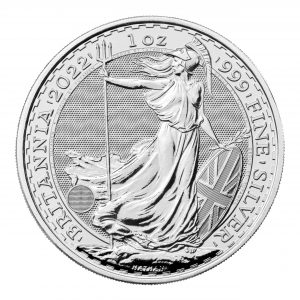
Coins such as Silver Britannias are principally bought as silver investments rather than because they are exceptionally rare.
Certain limited editions, proof coins and discontinued designs may develop additional collector premiums, but standard bullion Britannias derive most of their value from their precious metal content.
This distinction is particularly important for investors.
A rare silver coin’s price can depend heavily on collector demand.
Potential advantages include the possibility of additional numismatic appreciation and owning a historically interesting asset.
However, there are also disadvantages:
Bullion coins are designed primarily for precious metals investors.
Their prices tend to have a much closer relationship with the silver price, although buyers also pay a premium covering production, distribution and dealer costs.
Well-known bullion coins include:
For investors whose main objective is exposure to silver rather than building a numismatic collection, established bullion coins are generally much easier to value.
The most valuable silver coin isn’t necessarily the best silver coin to buy for investment.
A multimillion-pound rarity may have extraordinary collector value, but its price has very little relationship with the everyday silver investment market.
For UK investors, factors such as premium, liquidity, tax treatment and recognition may be more relevant.
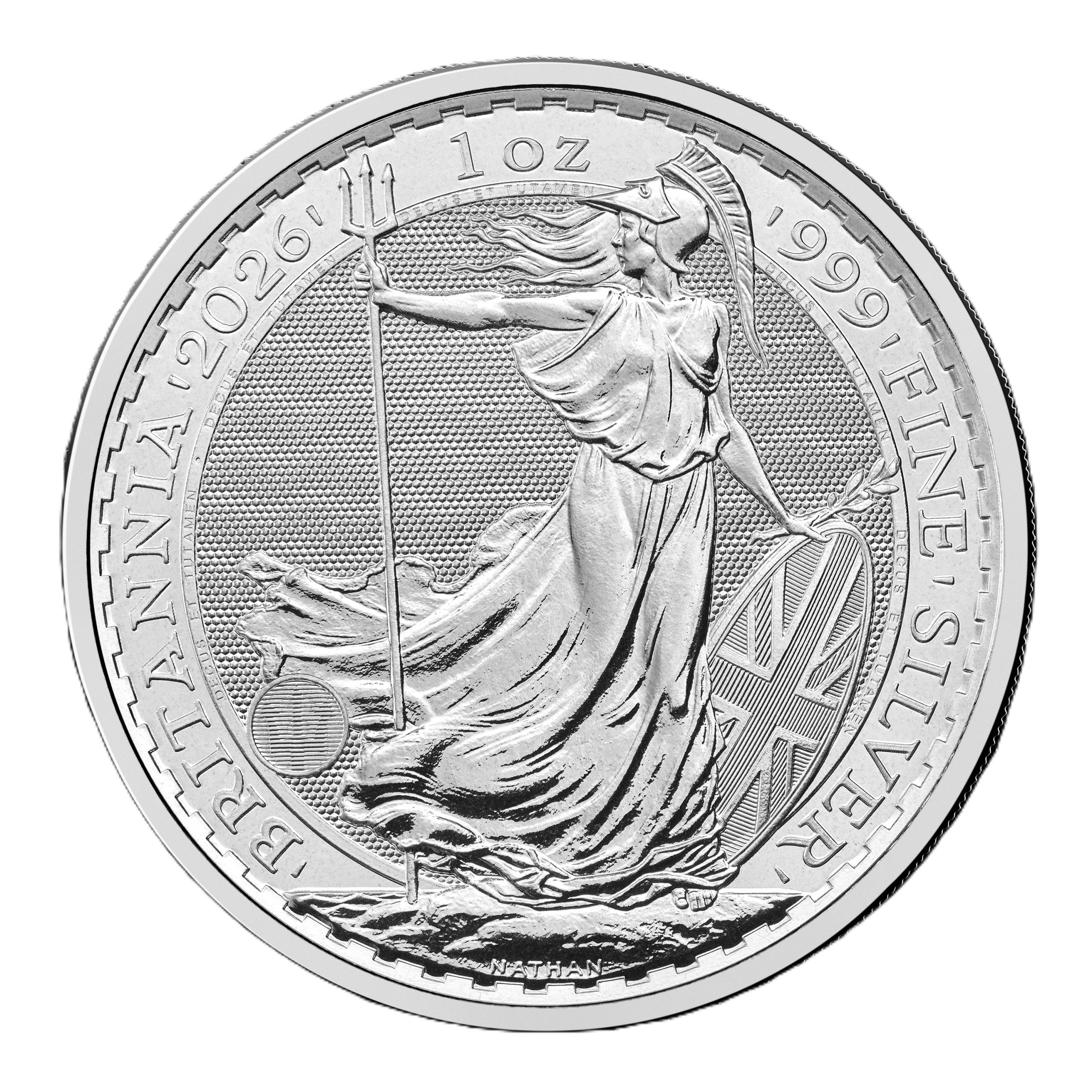
Silver Britannias are particularly popular with UK investors.
Modern one-ounce Britannias contain one troy ounce of fine silver and, because they are British legal tender, gains made by UK individuals are exempt from Capital Gains Tax.
Their recognisability and established bullion market can also make them straightforward to sell.
Investors can also choose internationally recognised one-ounce coins such as Silver Krugerrands, Canadian Maple Leafs and American Silver Eagles.
You can compare our range of one-ounce silver coins.
Investors seeking greater numismatic interest can explore our rare and collectable silver coins.
These should be approached differently from standard bullion. The premium paid above the underlying silver value becomes increasingly important, as does the potential future market for the individual coin.
If you already own an old silver coin, don’t assess its value from its silver content alone.
Start by identifying:
Once identified, compare the coin with reputable numismatic references and recent realised auction prices for genuinely comparable examples.
Condition is particularly important. Two examples of the same coin can have dramatically different values because one is substantially better preserved.
Avoid cleaning an old coin before having it assessed. Cleaning can damage the original surface and may reduce its appeal and value to collectors.
No.
Age alone doesn’t make a silver coin rare or valuable.
Some historic silver coins were produced in enormous quantities and survive in large numbers. Others may be heavily worn or damaged.
Their value may therefore be relatively close to their underlying silver content despite being decades or even centuries old.
Conversely, a younger coin with an extremely low mintage, unusual error or exceptional condition could be far more valuable.
Rarity, condition and demand matter more than age alone.
Some are.
Standard bullion coins generally trade at a premium above the value of the silver they contain. This premium covers manufacturing, distribution and dealer costs and can fluctuate according to supply and demand.
Rare collectable coins can trade at vastly higher premiums.
A historically important silver coin worth hundreds of thousands of pounds may contain only a relatively modest amount of silver. In that situation, almost all of its market value is numismatic rather than intrinsic.
For investors, understanding which type of value they are paying for is crucial.

Physical Gold stocks a range of silver coins, from internationally recognised bullion coins to more specialist collectable issues.
If your priority is investing in silver, consider the premium over the underlying silver price, the coin’s liquidity and its tax treatment rather than simply looking for the rarest coin available.
UK investors may particularly wish to consider British legal-tender coins such as Silver Britannias because of their CGT-exempt status.
You can browse our complete range of silver coins or view rare and collectable silver coins.
Silver coins generate a lot of common questions among new and experienced collectors alike. Below we answer some of the key questions around buying and selling silver coins.
The most valuable silver coins tend to be extremely rare historic issues with very few surviving examples. Coins such as the 1794 Flowing Hair Dollar and certain early American dollars and half dollars have achieved exceptionally high auction prices because of their rarity, condition and historical importance.
Rarity, condition, date, mint, provenance and collector demand can all significantly increase a silver coin’s value. For rare coins, these factors can be much more important than the value of the silver itself.
Check its country, denomination, date, mint mark and condition before comparing it with specialist numismatic references and realised auction results. Small differences in date or mint mark can sometimes have a substantial impact on value.
Some can be, particularly scarce dates and coins in exceptional condition. However, age alone does not make a British silver coin valuable. Original mintage, surviving numbers, condition and collector demand all need to be considered.
For investors rather than collectors, Silver Britannias are a popular option. They contain fine silver, are widely recognised and, as British legal tender, are exempt from Capital Gains Tax for UK individuals. Other internationally recognised bullion coins can also provide exposure to the silver price.
Image credits: Northern Lights Numismatics, Coin Appraiser, Flickr, Ucoin, CoinValues.com and Public Domain Pictures

Share this post on:


Latest Posts:
Live Gold Spot Price in Sterling. Gold is one of the densest of all metals. It is a good conductor of heat and electricity. It is also soft and the most malleable and ductile of the elements; an ounce (31.1 grams; gold is weighed in troy ounces) can be beaten out to 187 square feet (about 17 square metres) in extremely thin sheets called gold leaf.
Live Silver Spot Price in Sterling. Silver (Ag), chemical element, a white lustrous metal valued for its decorative beauty and electrical conductivity. Silver is located in Group 11 (Ib) and Period 5 of the periodic table, between copper (Period 4) and gold (Period 6), and its physical and chemical properties are intermediate between those two metals.
